Retinol Has Decades of Hype. What Does the Evidence Actually Say?
Few skincare ingredients have achieved the cultural status of retinol.
Fine lines. Texture. Collagen. Firmness. “Cell turnover.” Search long enough and it can begin to sound as though retinol does almost everything.
The scientific picture is more interesting — and more nuanced.
Retinol belongs to the retinoid family, alongside retinaldehyde, retinyl esters and prescription retinoids such as tretinoin.
These compounds are related, but they are not interchangeable.
Tretinoin remains far more extensively studied for photoaged skin, while cosmetic retinol generally offers a different balance of activity, stability and tolerability. Reviews of topical photoaging treatments continue to place retinoids among the central approaches to addressing photodamaged skin.
So what about retinol itself?
Recent controlled research provides useful evidence.
An integrated analysis of six vehicle-controlled studies evaluated a stabilized 0.1% retinol formulation in more than 470 participants. Researchers assessed wrinkles, fine lines, uneven tone, brown spots and overall photodamage.
Improvements compared with the vehicle were observed across signs of photoaging, with differences appearing as early as four weeks and continuing through twelve weeks. Reported irritation was generally mild to moderate and transient.
Earlier randomized research with a 0.1% retinol moisturizer also reported improvements in lines, wrinkles, pigmentation, elasticity, firmness and overall photodamage after eight weeks compared with the vehicle.
That sounds convincing.
But there is another side to the literature.

Not every review reaches the same conclusion
A systematic review examining over-the-counter vitamin A cosmetic products argued that much of the historical evidence for cosmetic retinol had methodological limitations and that stronger independent trials were needed.
That's an important reminder of something easy to forget in skincare:
“studied ingredient” does not mean every formulation containing that ingredient is clinically proven.
Concentration matters.
Stability matters.
Delivery matters.
The rest of the formula matters.
And the finished product matters.
Why ELX doesn't treat retinol as the entire formula
Skin aging itself is multifactorial. A 2026 review describes intrinsic biological changes, environmental influences such as UV exposure, barrier changes and other processes contributing to the visible aging phenotype.
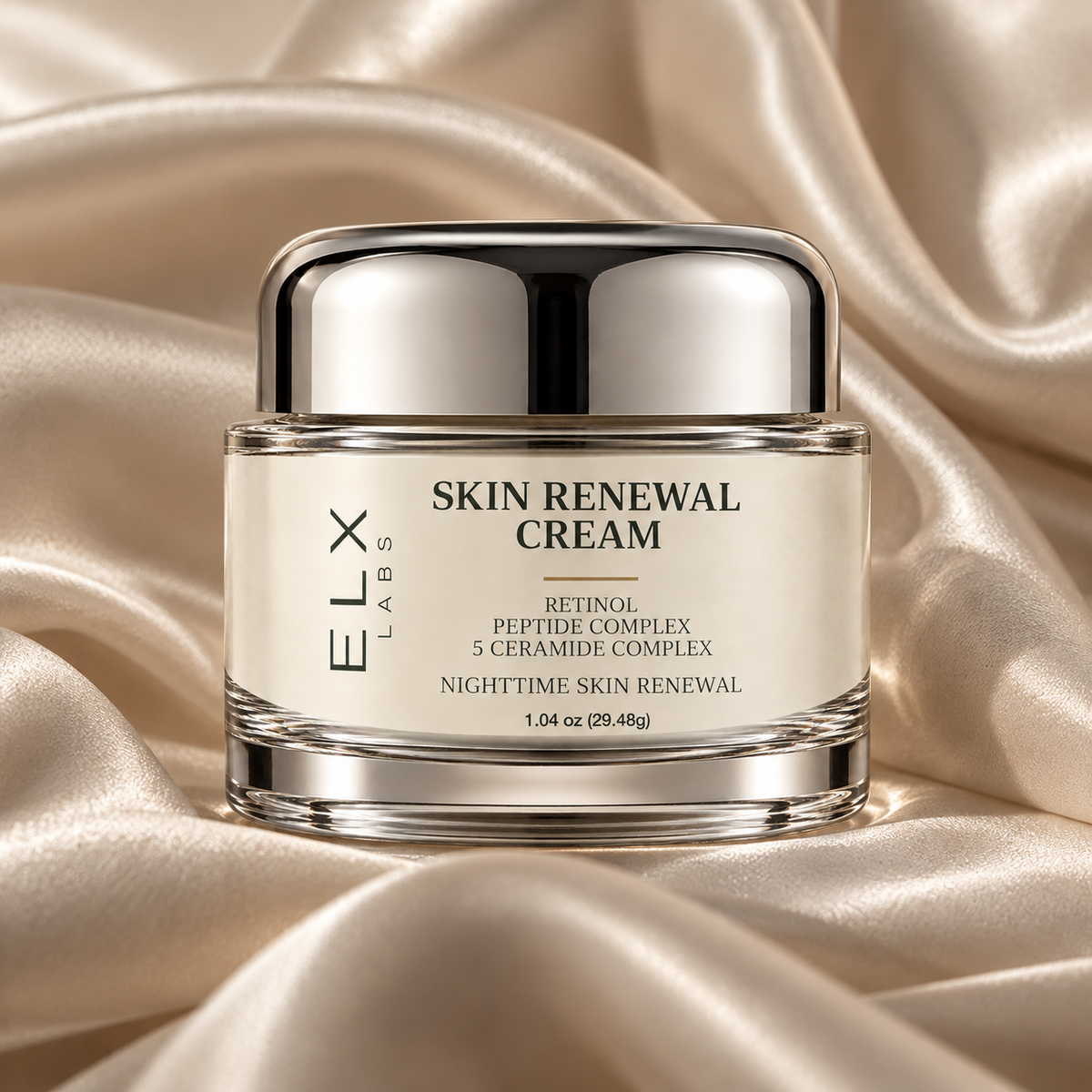
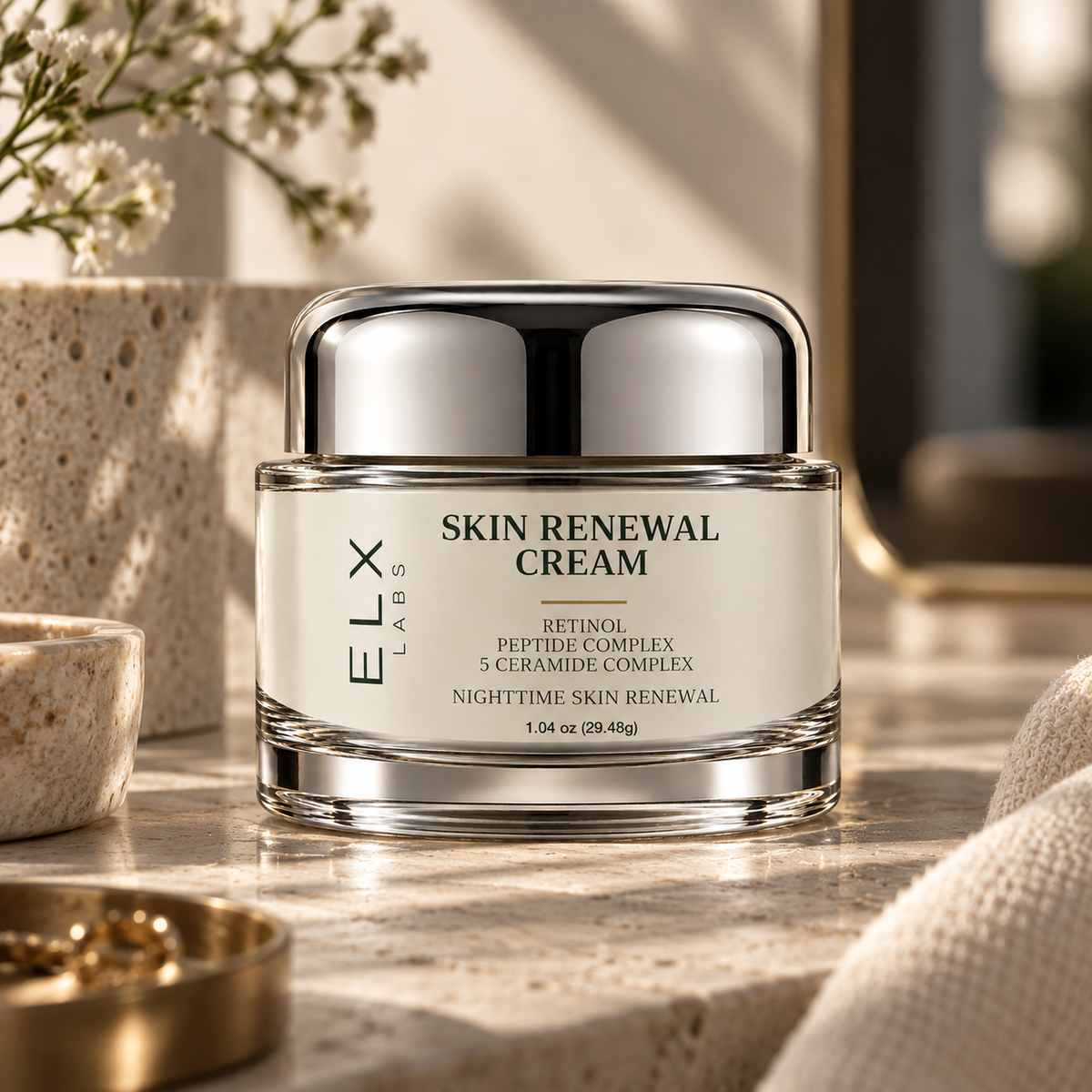
So Skin Renewal Cream does not ask retinol to do everything.
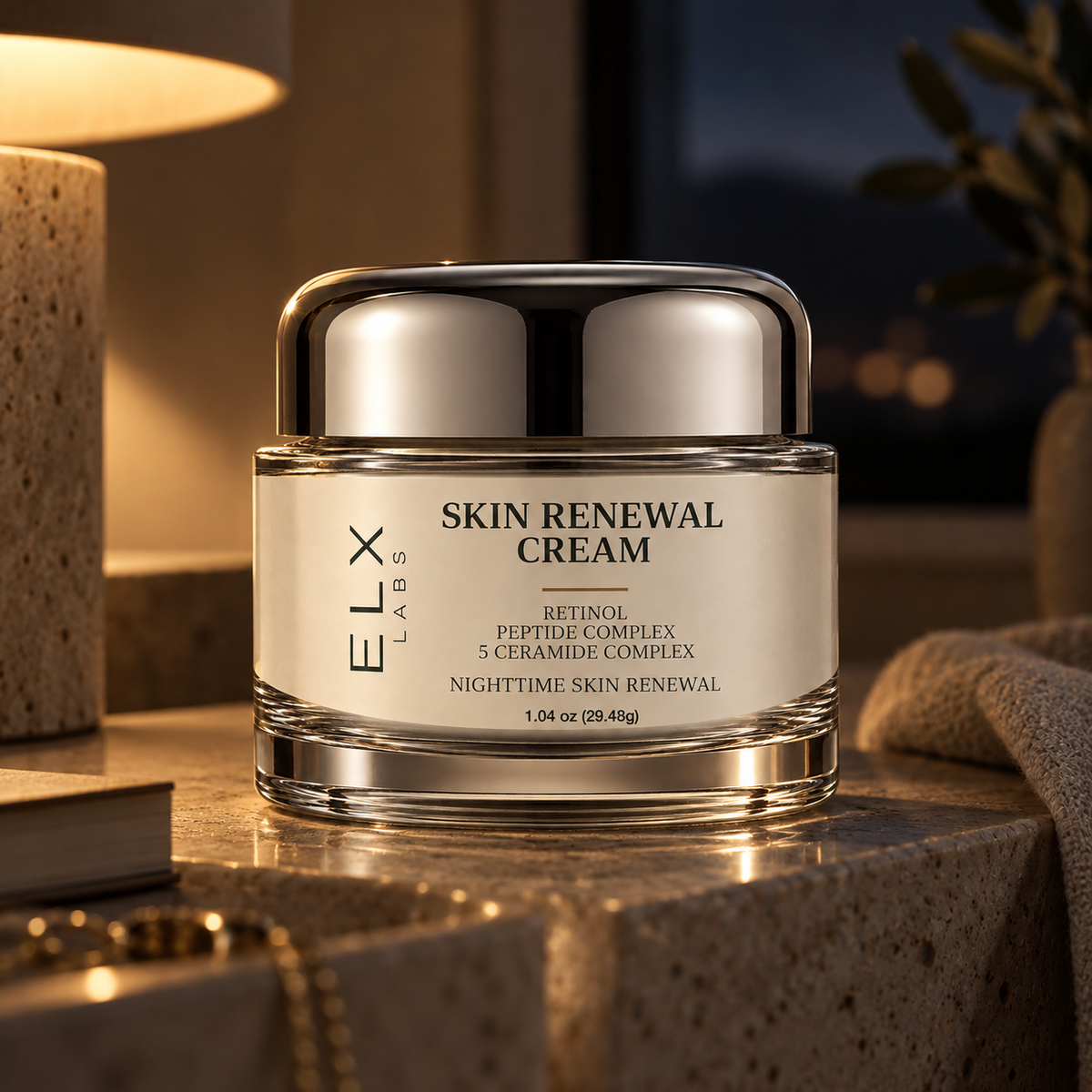
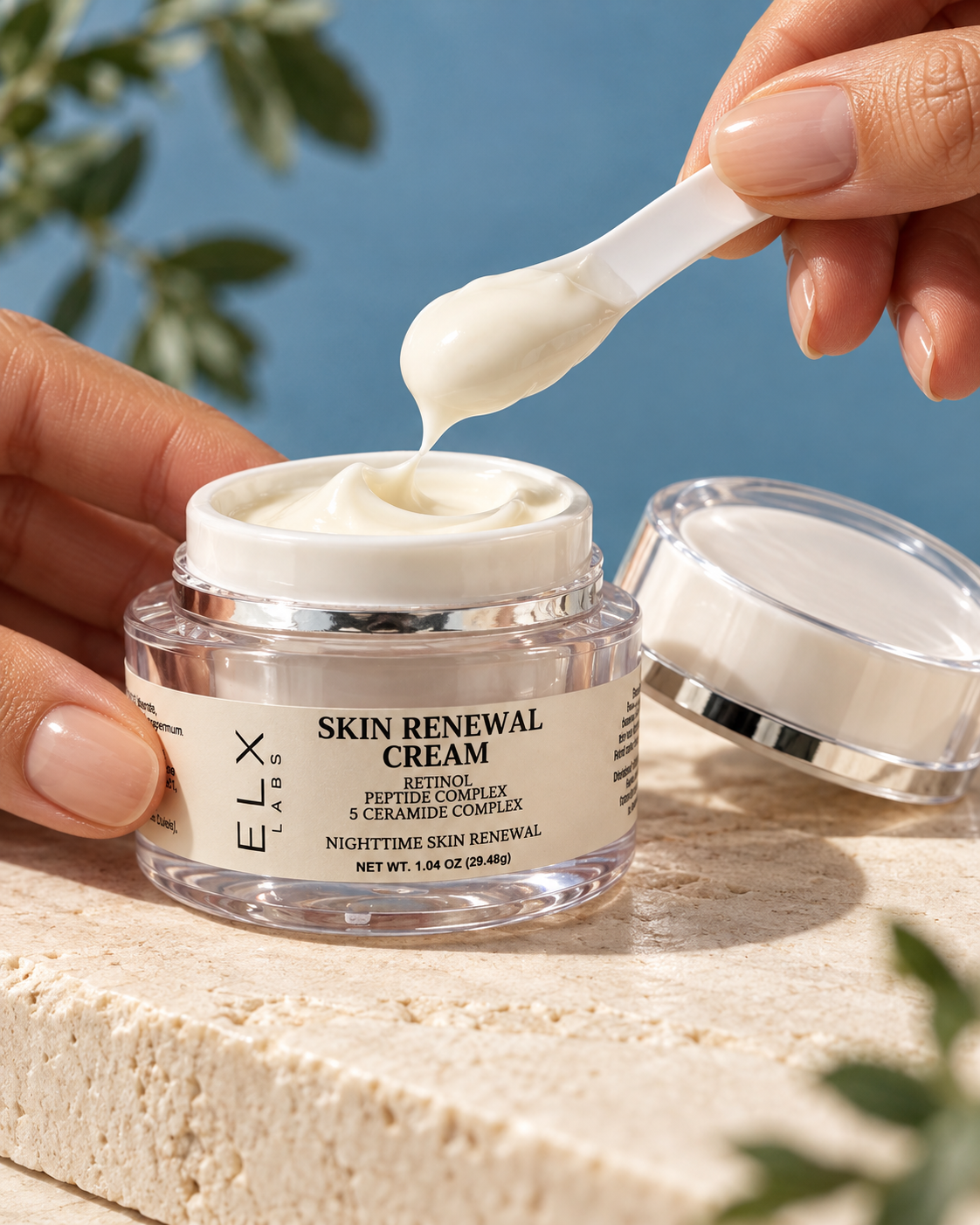
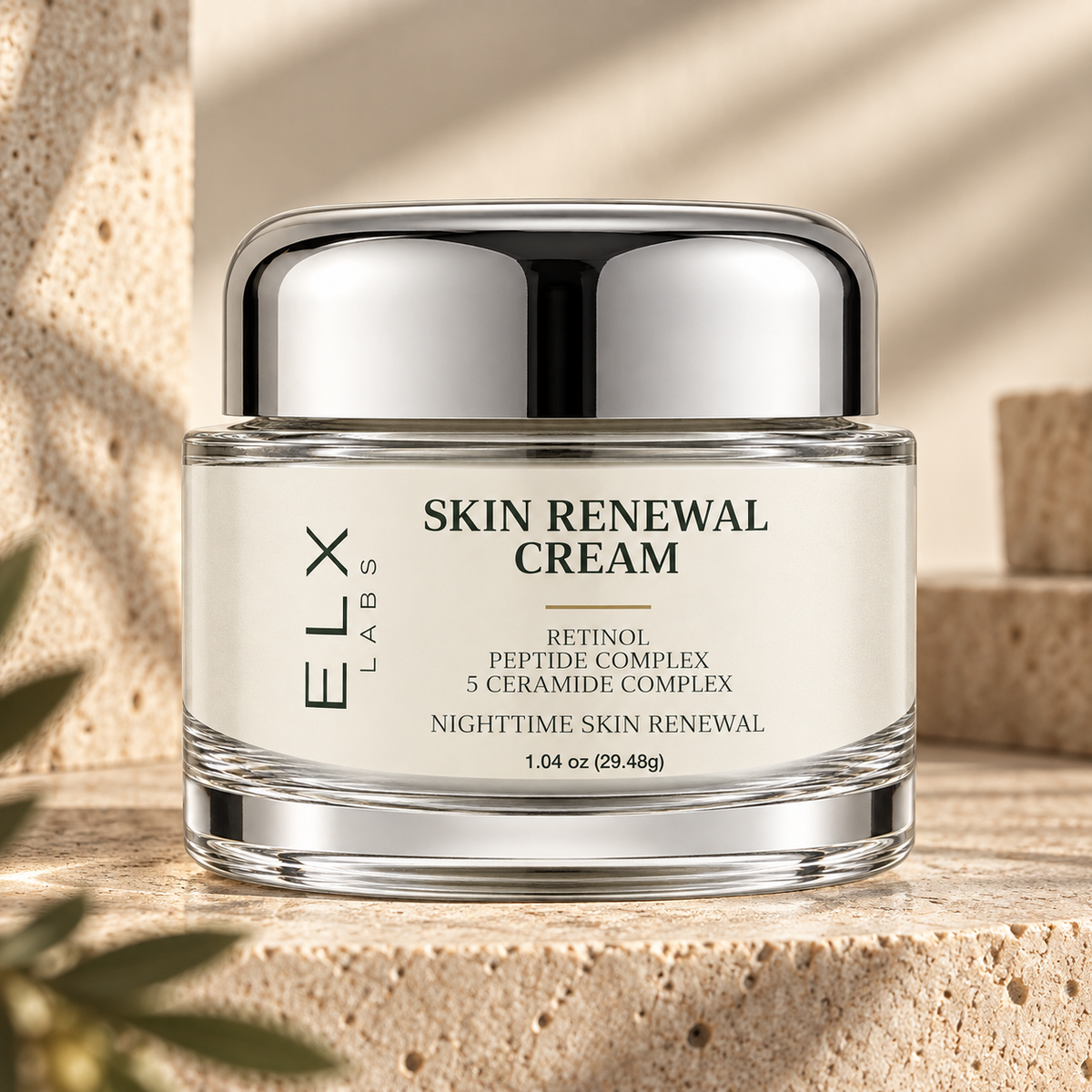
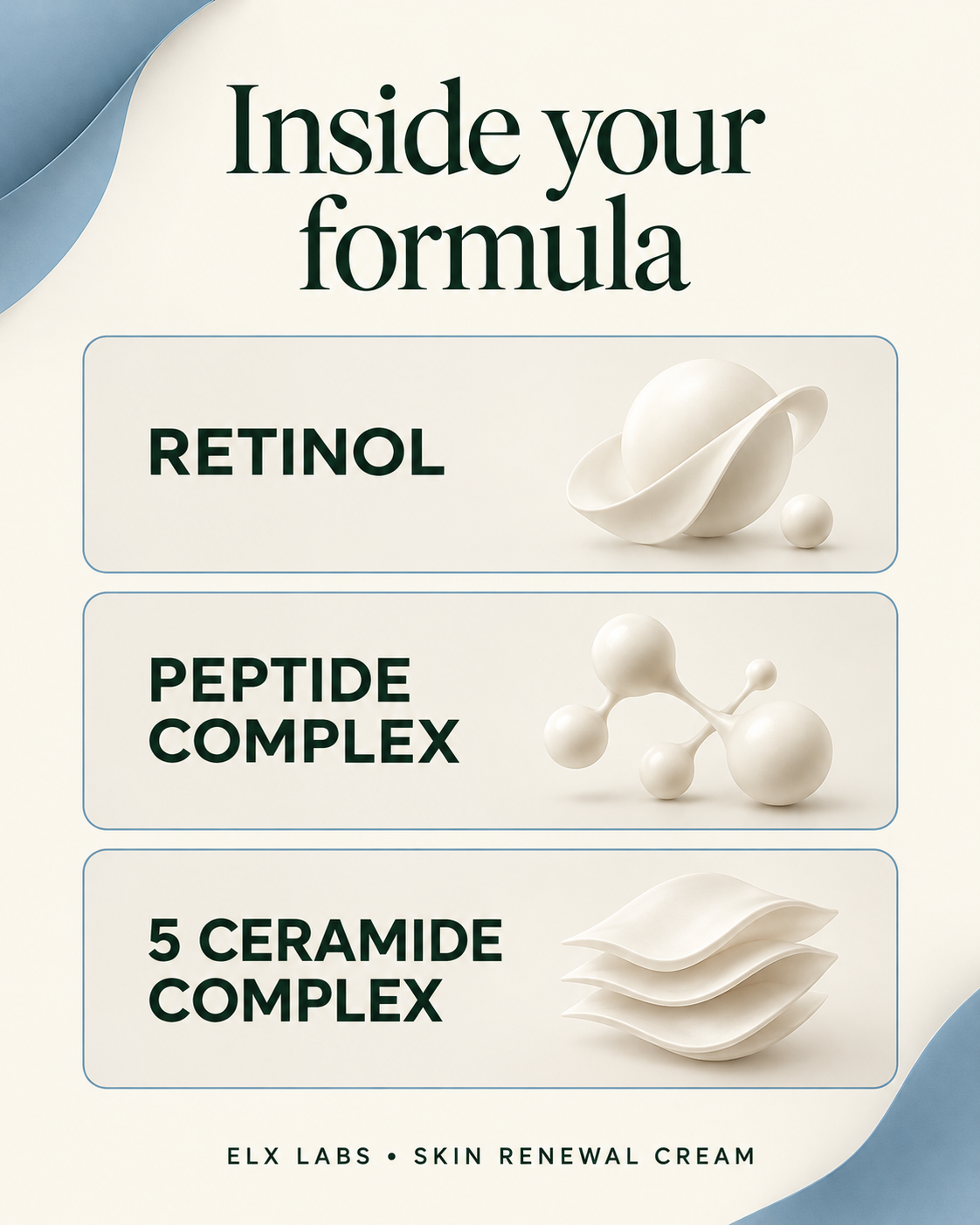
It combines retinol with targeted peptides, a five-ceramide lipid system, idebenone and hydration-supporting ingredients.
Retinol remains an important part of the architecture.
It just isn't the whole architecture.
And perhaps that is a more useful way to think about modern skincare:
not searching for one miracle ingredient, but understanding what each ingredient can realistically contribute.
Sources: Controlled studies and reviews of topical retinol and retinoids in photoaged skin.