The Antioxidant Beyond Retinol: Why Idebenone Is Worth Watching
Retinol has become almost synonymous with healthy-aging skincare. But visible skin aging is not driven by a single biological process — and renewal is only one part of the picture.
One less familiar ingredient is idebenone, a synthetic analogue of coenzyme Q10 that has been studied for its antioxidant properties and its potential role in protecting skin from oxidative stress.
That matters because skin is continuously exposed to environmental factors capable of generating reactive oxygen species. Over time, oxidative stress can interact with inflammatory pathways and processes involved in the breakdown of structural components of the skin.
So researchers have asked an interesting question:
Could topical antioxidant support influence visible signs of photodamage?

What the research found
In one clinical study, 41 women aged 30–65 with moderate photodamaged skin used formulations containing either 0.5% or 1% idebenone for six weeks.
The results were notable.
With the 1% formulation, researchers reported improvements including a 26% reduction in skin roughness and dryness, a 37% increase in hydration and a 29% reduction in fine lines and wrinkles after six weeks.
The 0.5% formulation also produced measurable improvements.
Biopsy analysis additionally identified changes in markers associated with inflammation, collagen and matrix degradation.
Those numbers are interesting — but context matters.
What the study does not tell us
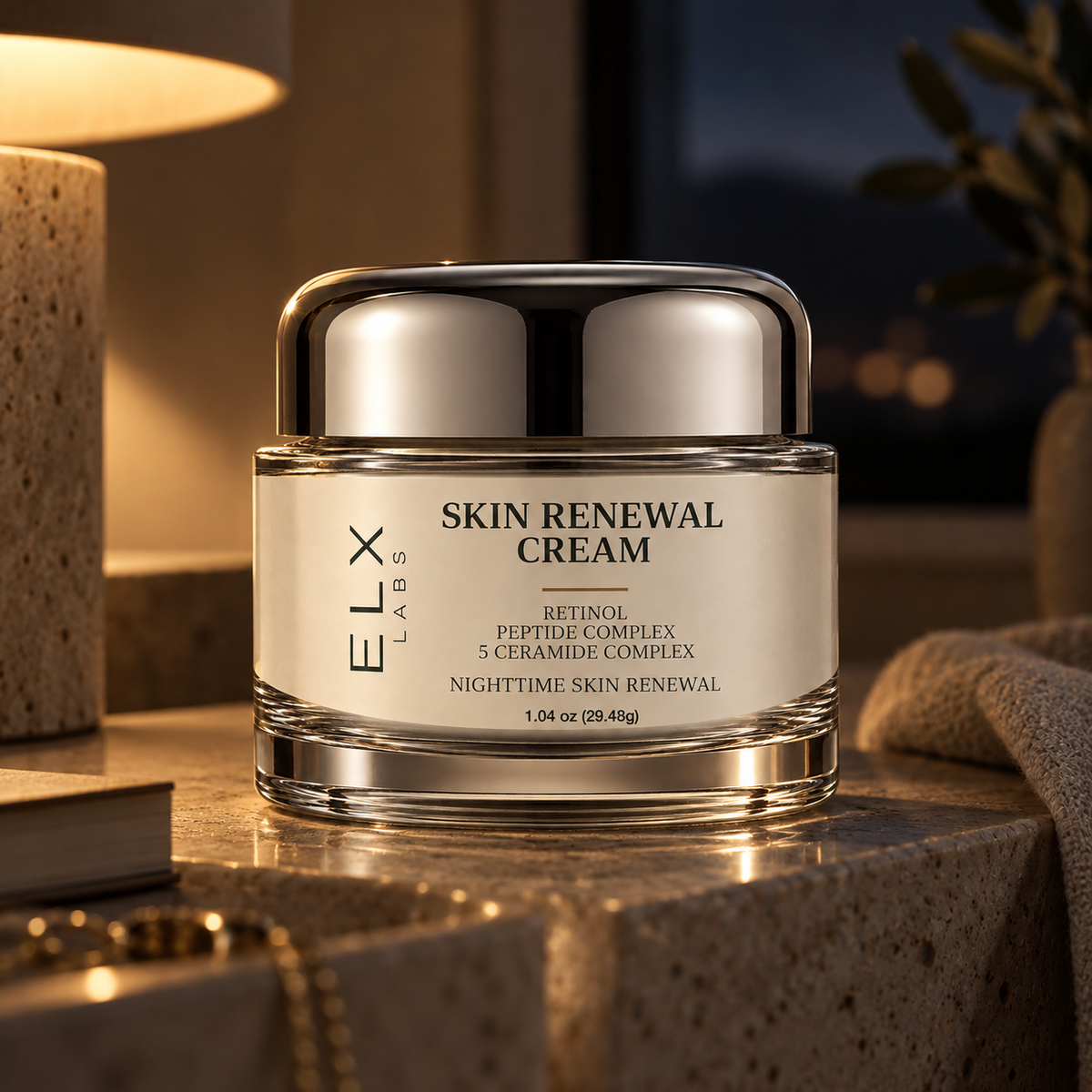
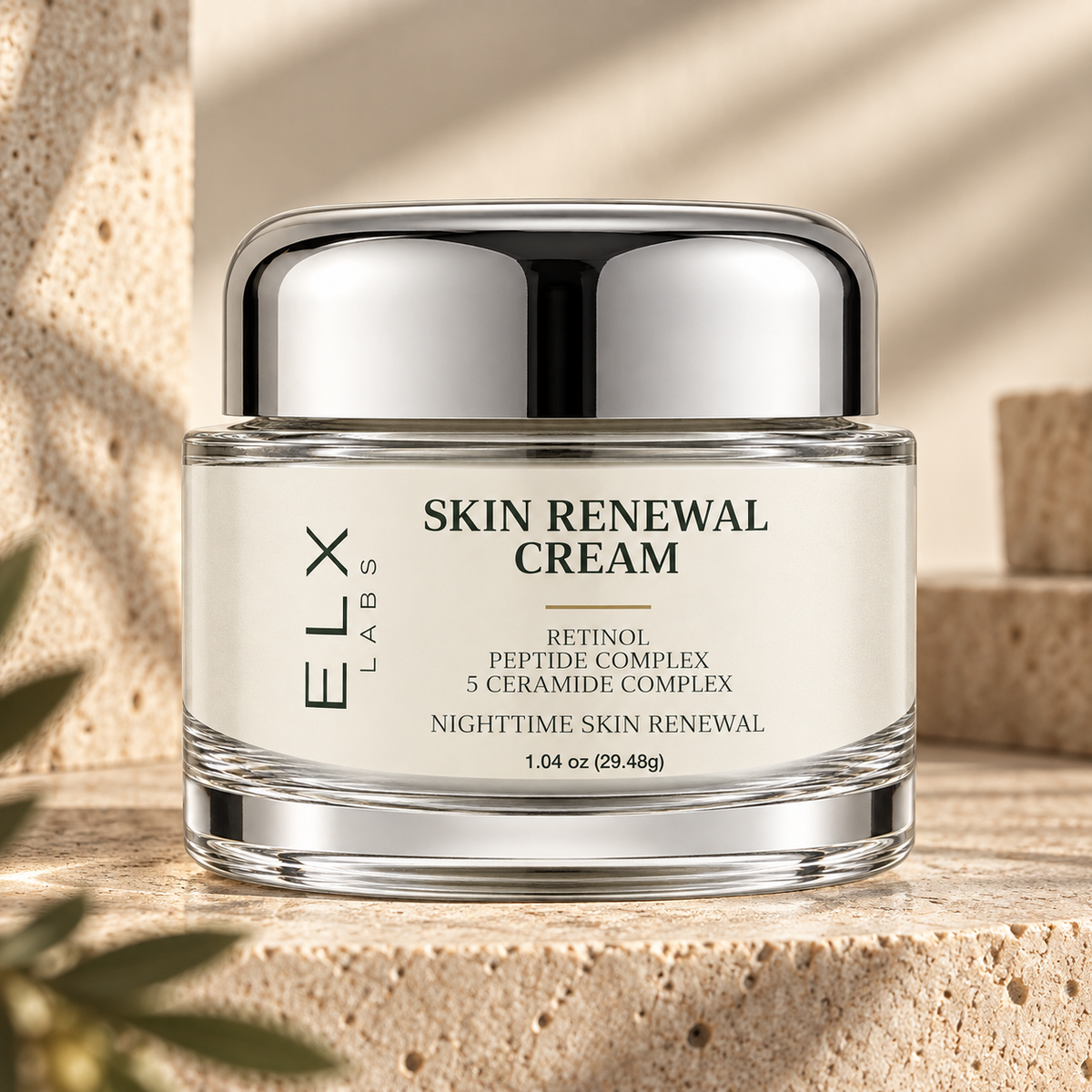
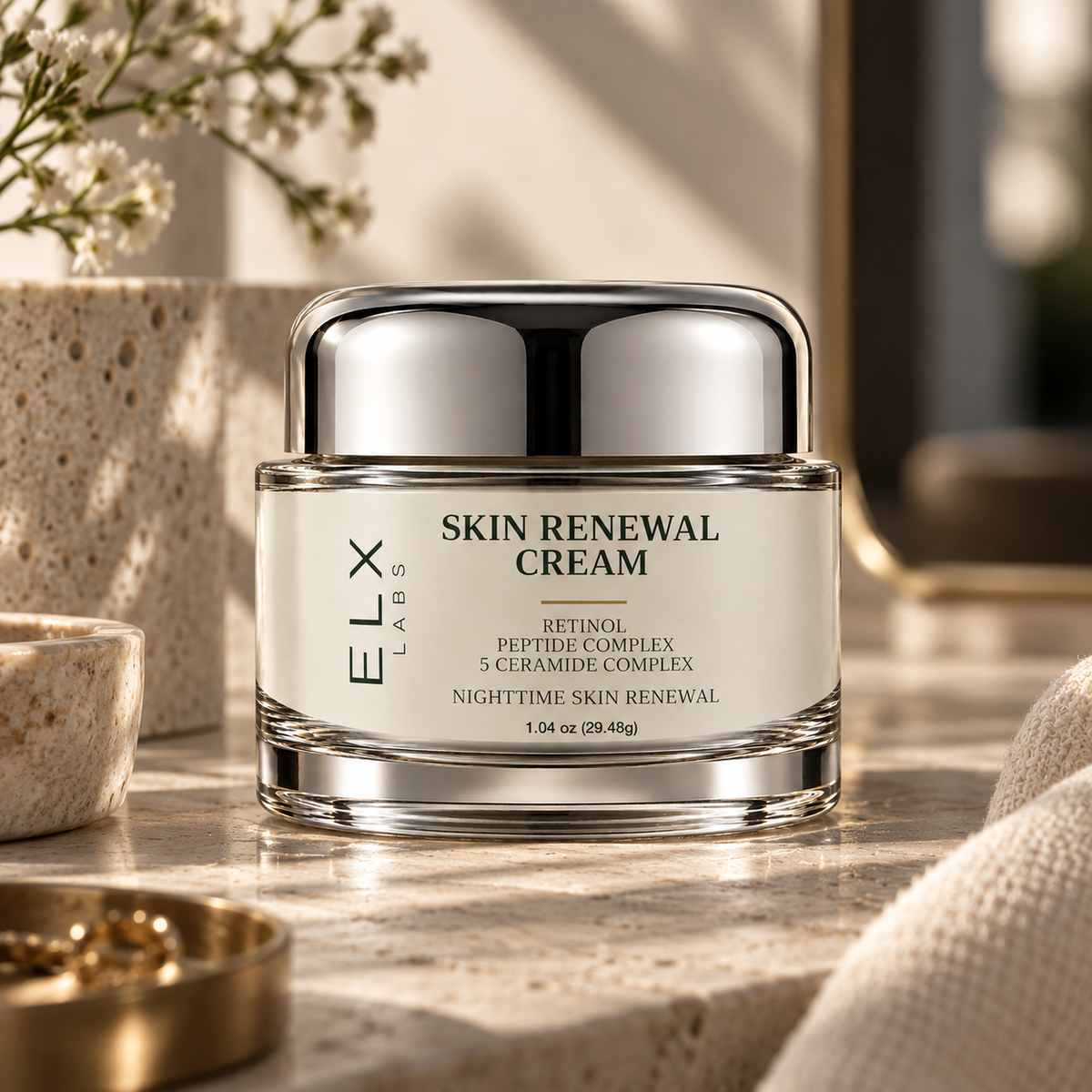
This was a relatively small study, and importantly, it was not a clinical trial of ELX Skin Renewal Cream.
The concentration, vehicle, formulation architecture and combination of ingredients can all influence how a topical product behaves.
That means we should not take a result produced by one idebenone formulation and simply transfer those percentages to another.
This distinction is central to how ELX approaches skincare science:
ingredient evidence is not the same thing as finished-product evidence.
Still, the research makes idebenone particularly interesting because it adds another biological dimension to skincare beyond renewal alone.
Why combine different approaches?
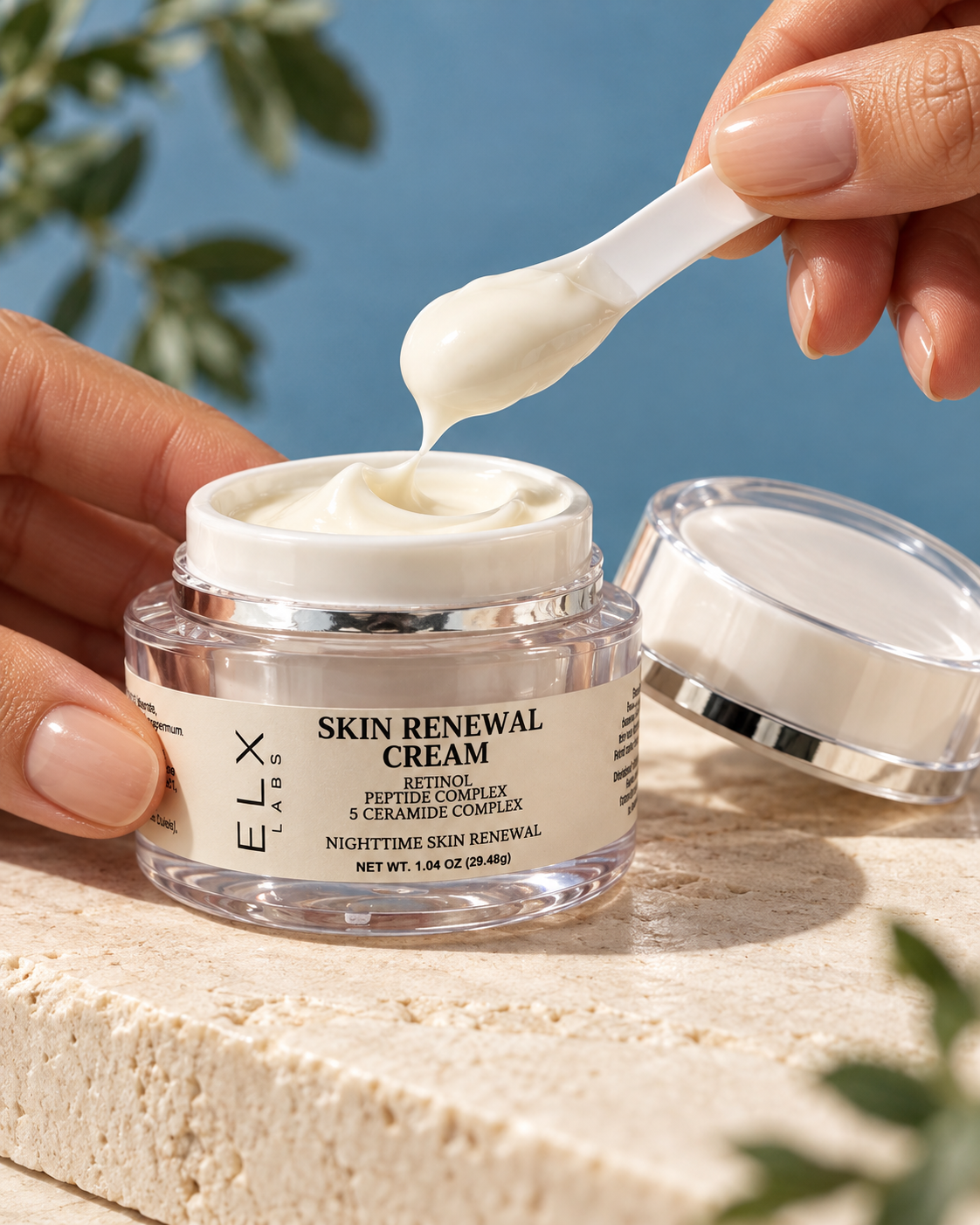
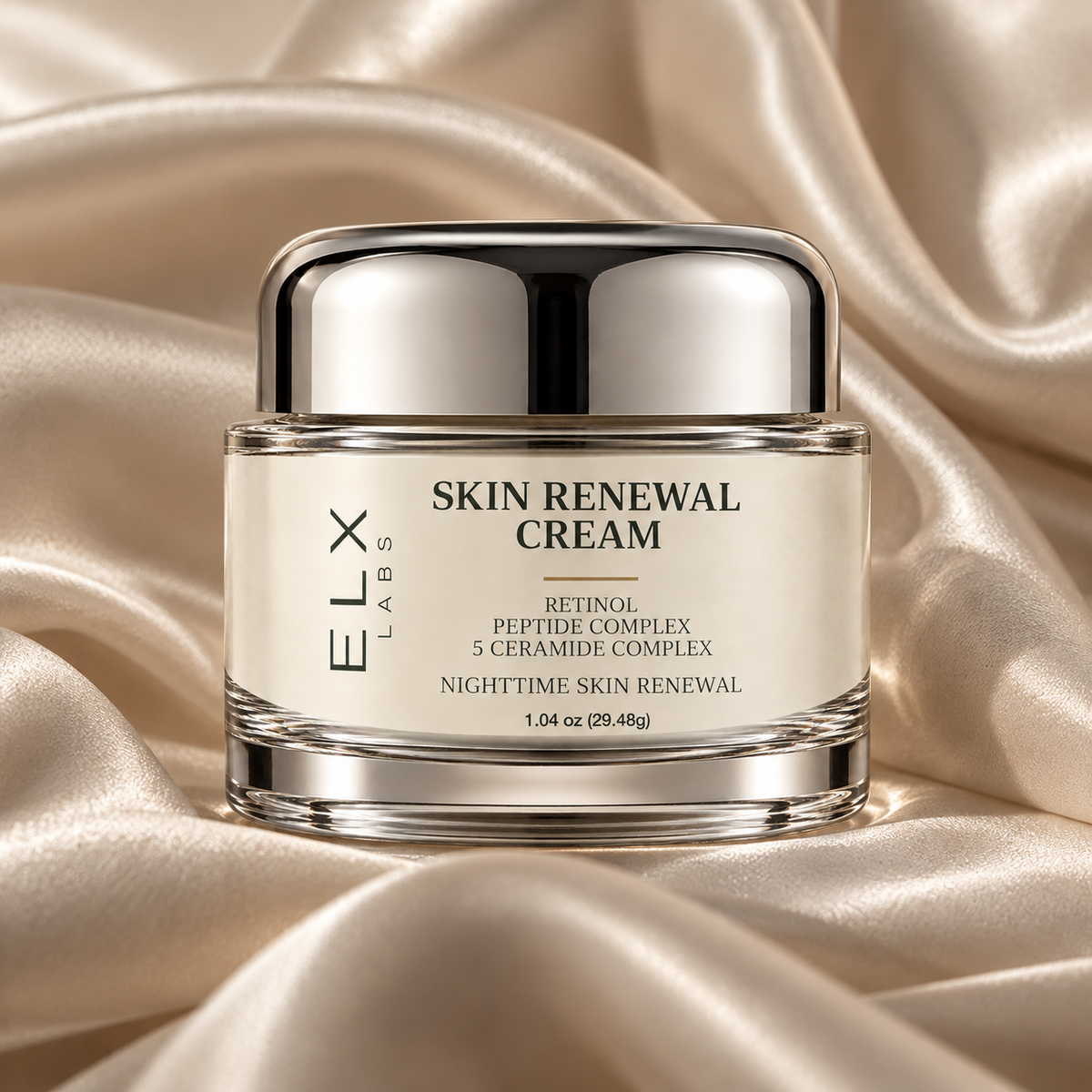
Skin Renewal Cream was designed around a multi-pathway philosophy.
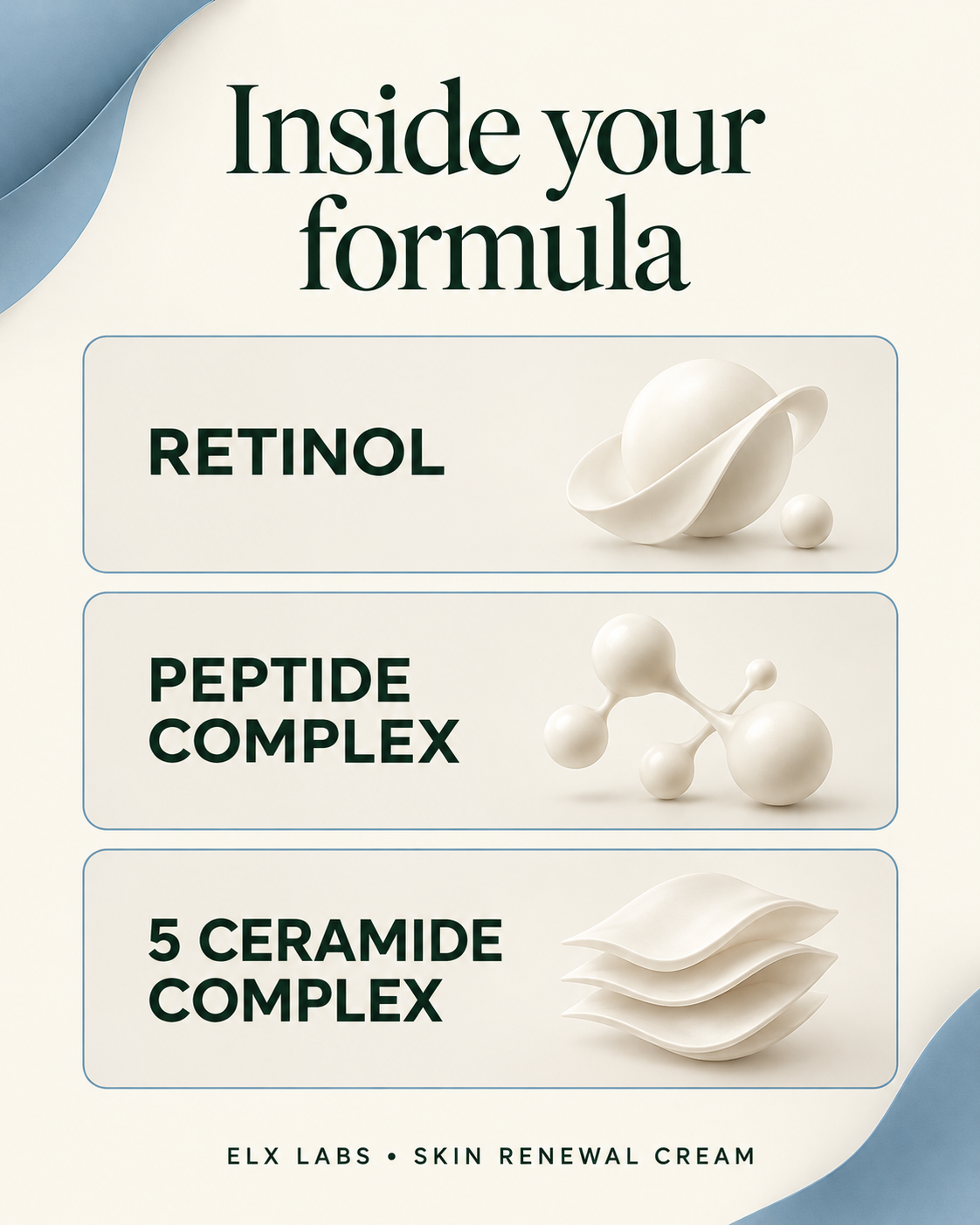
Retinol addresses visible renewal. Ceramides contribute to a barrier-focused lipid system. Targeted peptides complement skin conditioning. Hydration-supporting ingredients help maintain a softer, more supple appearance.
And idebenone introduces antioxidant support.
The point isn't that one ingredient does everything.
It's almost the opposite.
As our understanding of skin aging becomes more sophisticated, the idea that a single “hero ingredient” can address every dimension of it becomes increasingly difficult to defend.
Better skincare may begin by asking a better question: not which ingredient wins, but which biological processes are worth supporting together.
Source: McDaniel et al. Journal of Cosmetic Dermatology. Clinical efficacy assessment in photodamaged skin of 0.5% and 1.0% idebenone.