Your Skin Barrier Changes With Age. Ceramides Help Explain Why.
When people talk about skin aging, the conversation usually starts with wrinkles.
Biology tells a broader story.
As skin ages, changes occur across its structure and function — including the epidermis and the barrier responsible for limiting water loss and protecting the body from the external environment. Modern dermatology increasingly recognizes these barrier changes as an important part of mature skin biology.
And one group of molecules sits at the center of that story:
ceramides.

Think of the skin barrier as architecture
At the outermost layer of the skin, cells called corneocytes are surrounded by a highly organized lipid matrix.
Ceramides are a major component of this system, working alongside cholesterol and free fatty acids to form organized structures between skin cells.
This architecture helps regulate one of the skin's most fundamental jobs: keeping water in and the outside world out.
When that lipid organization becomes disrupted, barrier performance can suffer.
The result isn't necessarily one dramatic change. Instead, skin may increasingly feel dry, less comfortable and less resilient.
Why adding “ceramides” isn't the entire story
There is an interesting nuance here that rarely makes it onto skincare labels.
Simply putting ceramides into a cream doesn't automatically guarantee optimal barrier support.
A recent scientific review emphasized that how ceramides are formulated matters. Their incorporation into the final lipid system and interaction with other components can influence how effectively the formulation supports barrier architecture.
That changes the question from:
“Does this product contain ceramides?”
to:
“What kind of lipid system surrounds them?”
The five-ceramide approach
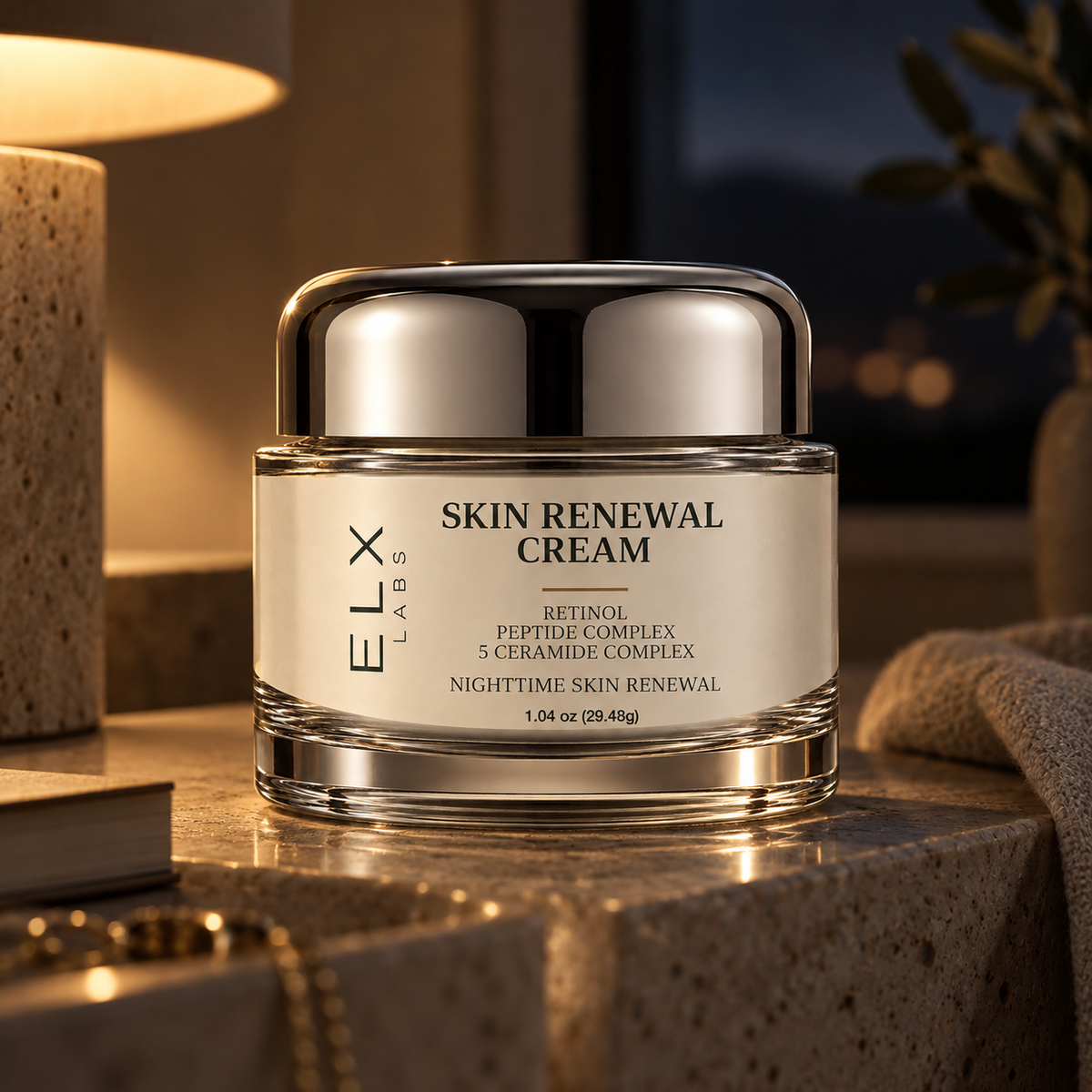
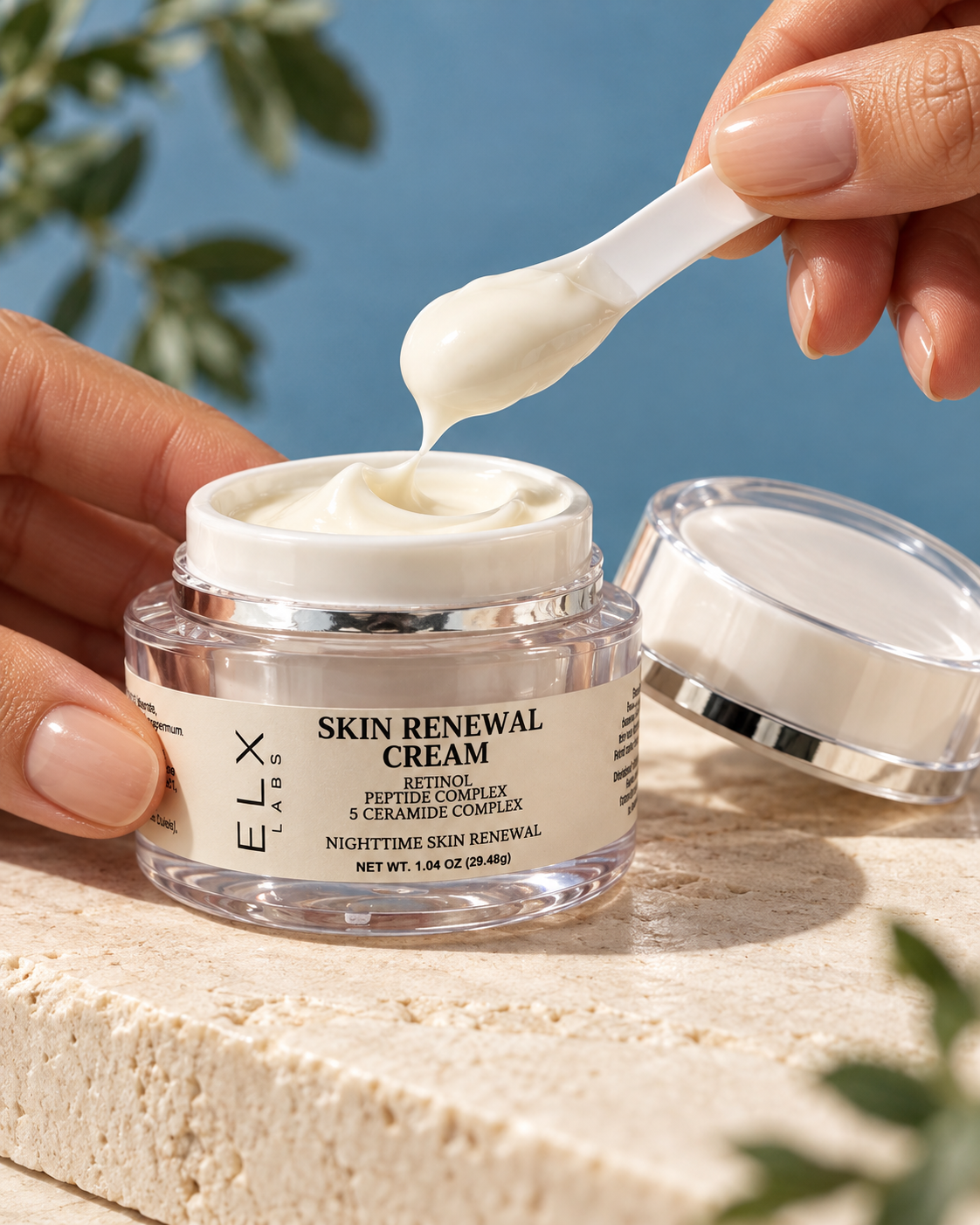
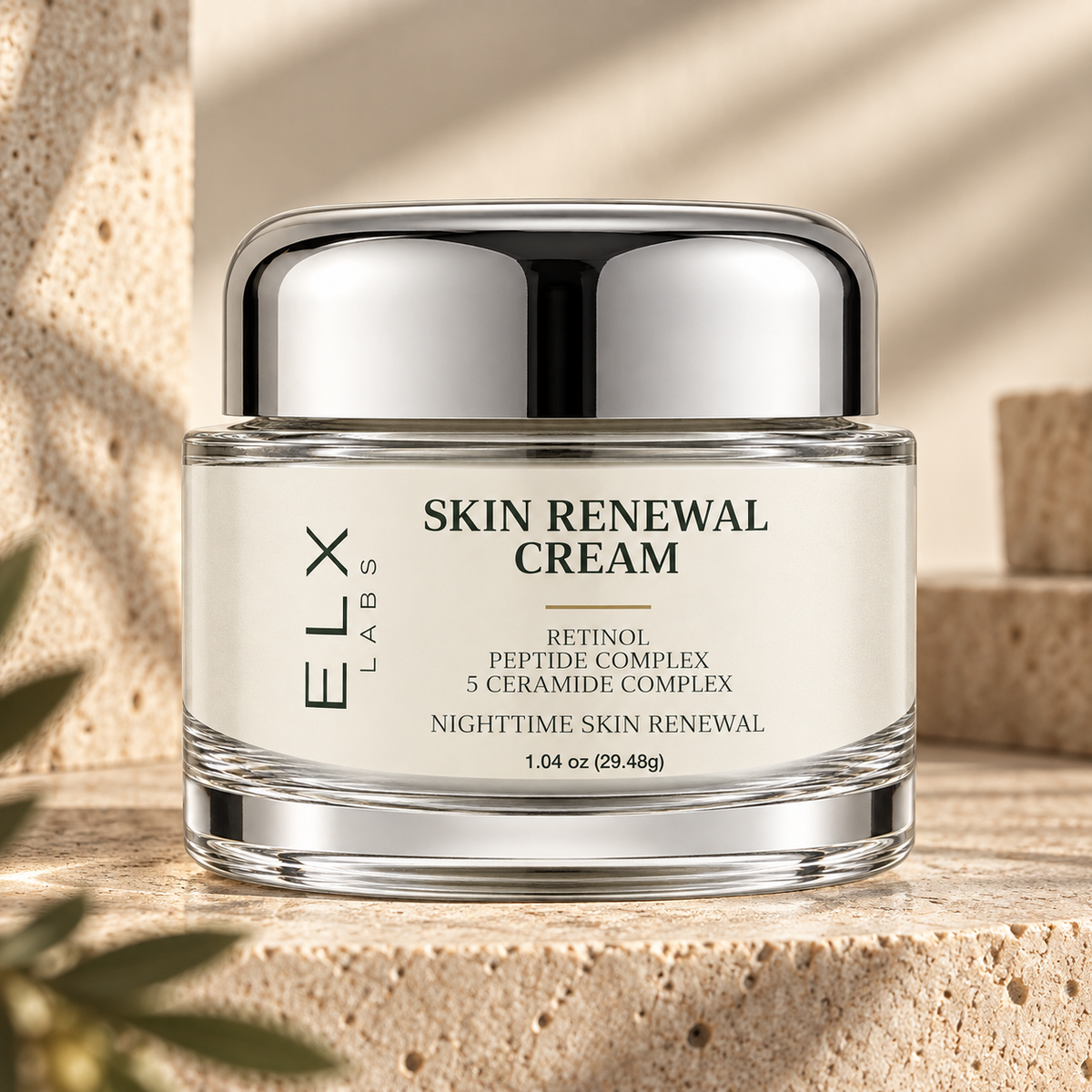
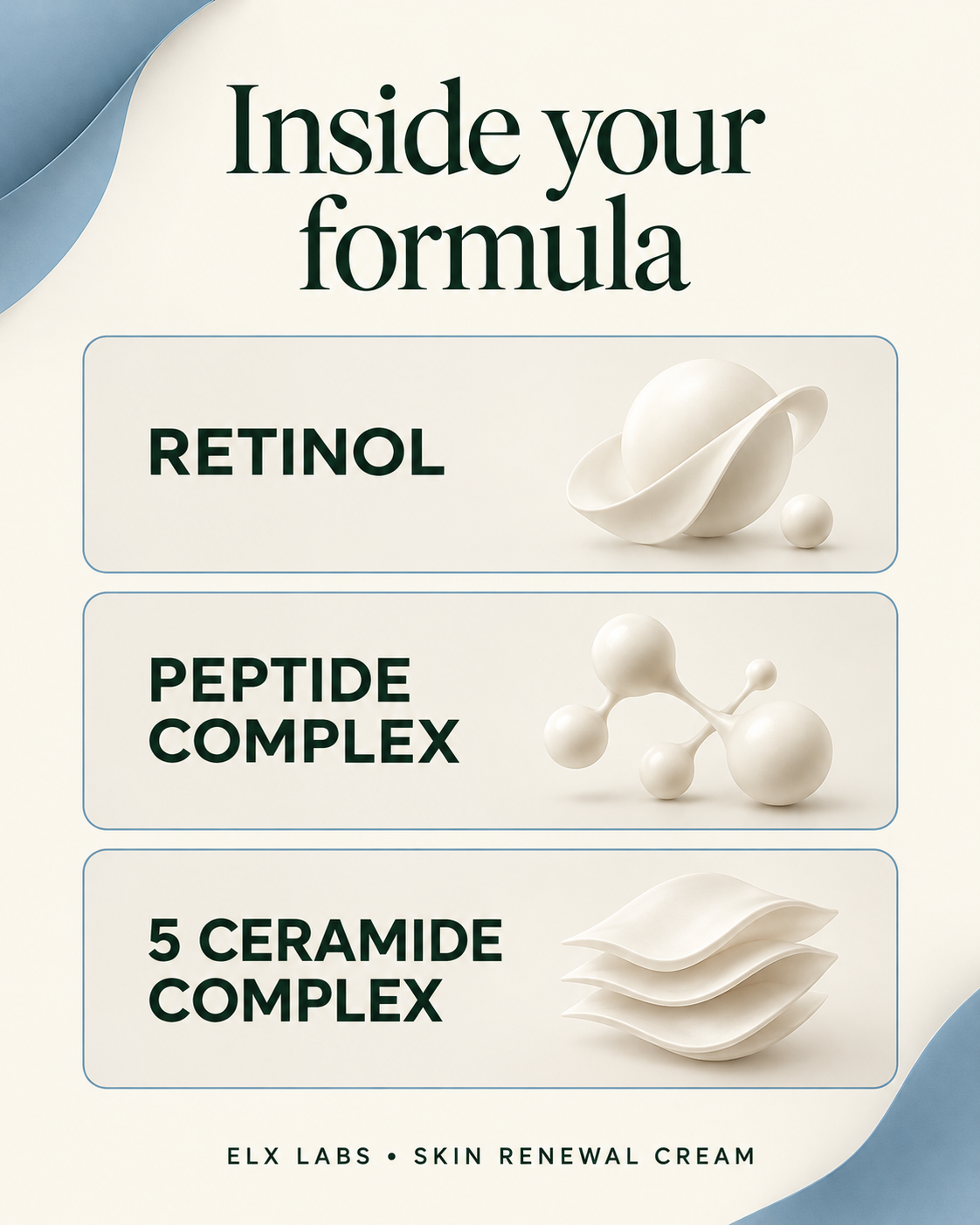
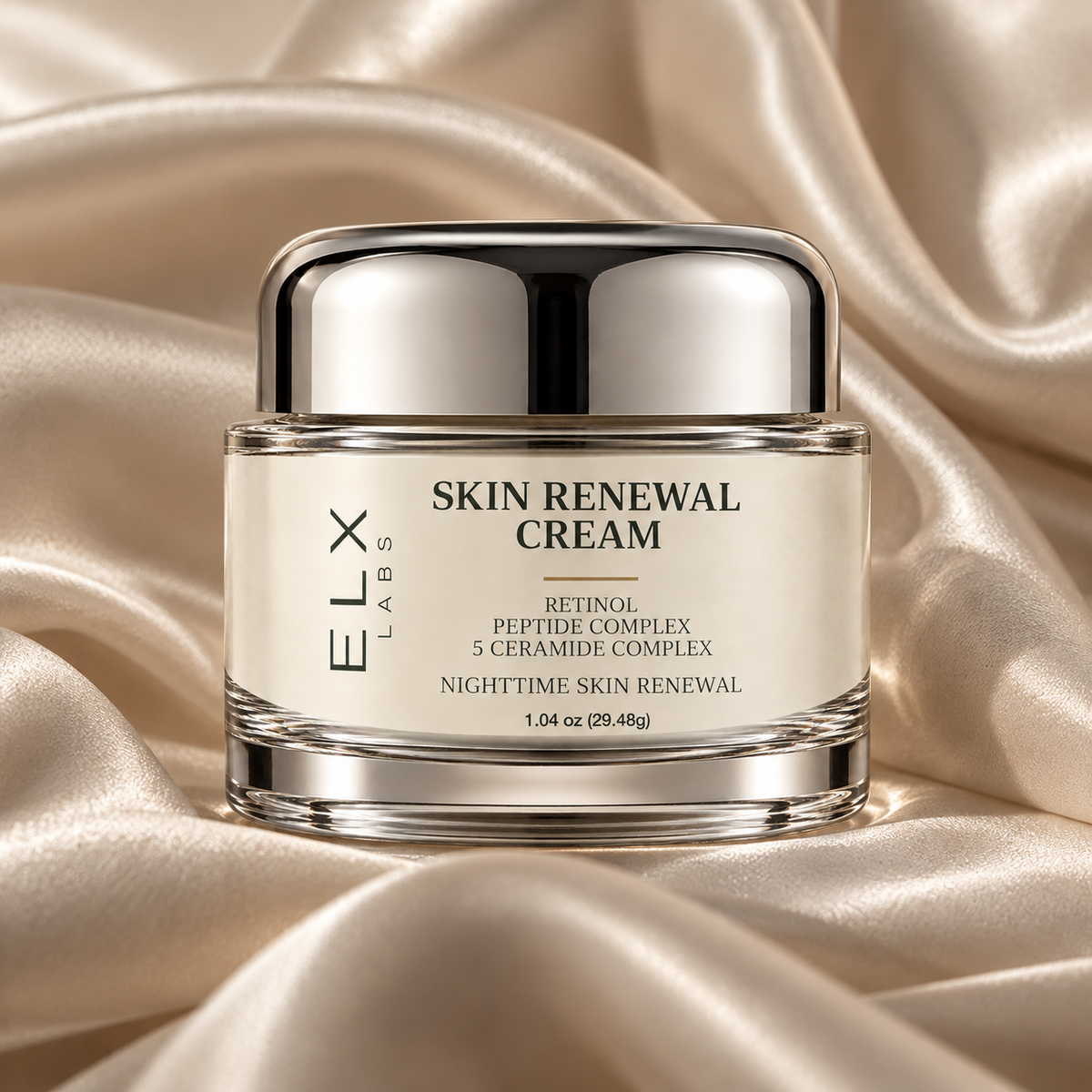
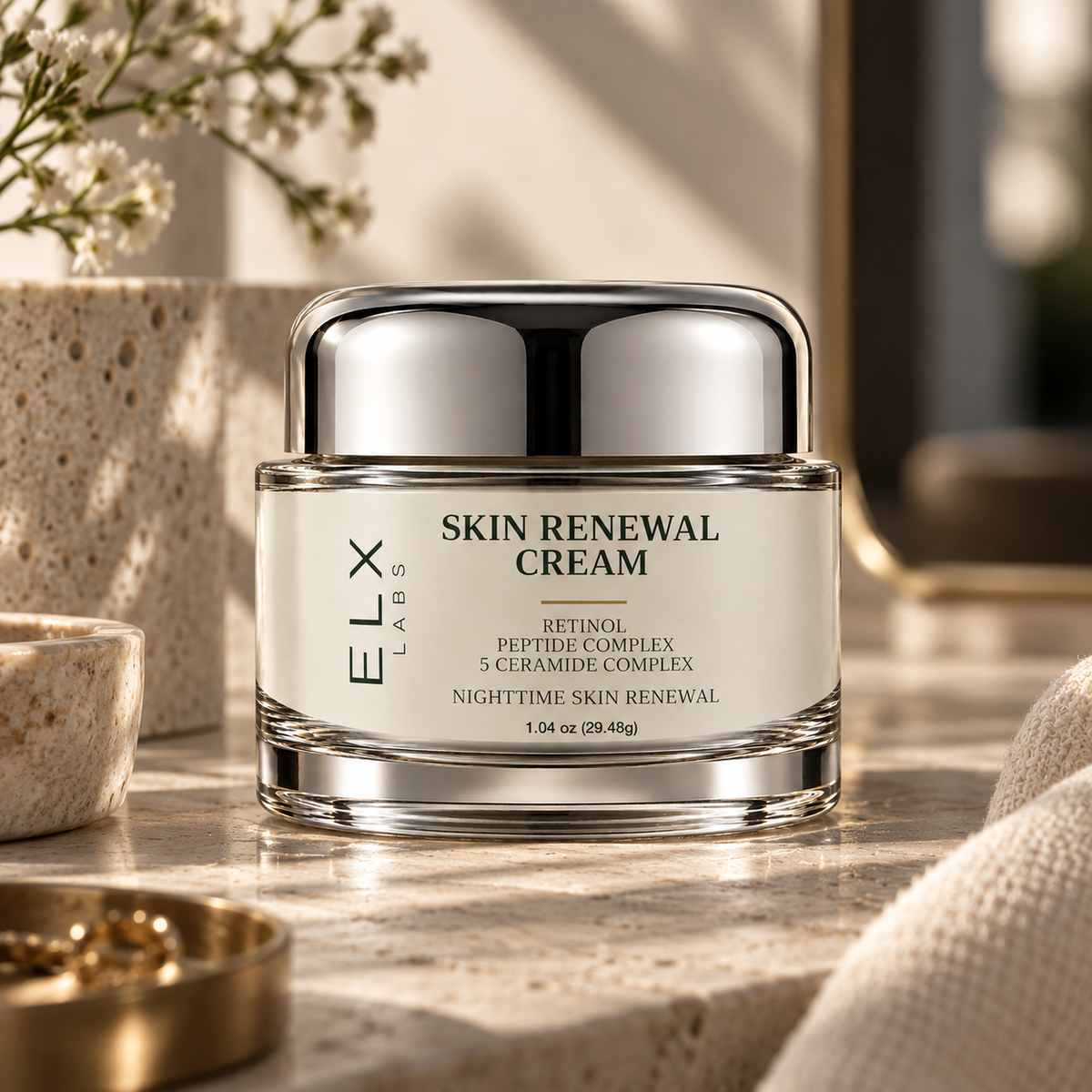
ELX Skin Renewal Cream contains five ceramides — NP, NS, EOS, EOP and AP — within a broader formula that also includes cholesterol and phospholipids.
The idea isn't to turn an ingredient count into a marketing contest.
It's to recognize that skin barrier biology itself involves systems of interacting lipids, rather than one isolated molecule.
And that leads to a larger lesson about healthy-aging skincare.
Wrinkles are visible.
The barrier often isn't.
But supporting the structures responsible for hydration and resilience may be every bit as relevant to how mature skin looks and feels over time.
Healthy-looking skin is not simply younger-looking skin. It is skin functioning well.
Sources: Reviews on ceramides and skin-barrier biology published in International Journal of Cosmetic Science, Journal of the American Academy of Dermatology and related dermatology literature.